African Creators: Navigating a Global Economy Against the Odds
Originally published on Global Voices
A Thriving Yet Troubling Creative Economy
If you're entrenched in the creative sector, the recent trajectory of Africa's digital creators both impresses and frustrates. The continent, teeming with youthful innovation and dynamic digital culture, is rapidly emerging as a vibrant part of the global creative economy. Projections suggest this sector could balloon to a staggering $17 billion by 2030, yet for many African creators, the dreams of financial stability remain tantalizingly out of reach. A staggering 60% of these creators scrape by with less than $100 a month from their work, starkly contrasting with the wealth generated from their creativity.
The Harsh Reality of Gig Work
The persistent underpayment of these creatives reflects broader systemic issues. Close to 85% of workers on the continent are embedded in the informal sector, often characterized by unpredictable income and a lack of social security. Even in a thriving digital landscape, the gap between what they produce and what they earn is significant and deeply troubling. Data from the Africa Creator Economy Report 2.0 reiterates this chasm, where creators who fuel global platforms with their unique content often receive minimal return.
Multifaceted Roles and Scarcity of Funds
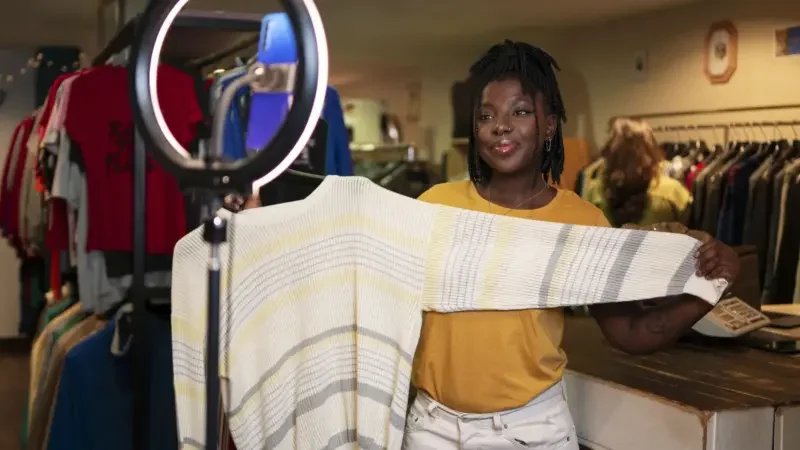
The days of defined roles for creatives are vanishing, as individuals like Ghana-based Kofi Dotse navigate multiple job titles—content creator, trainer, producer—all in a bid for stability. Yet, even with such versatility, the unsteady payouts from platforms and the need for brands to negotiate tightly with cash-strapped local budgets means that true financial viability is elusive. Consumers lack the purchasing power to support local creative efforts, which drives this disconnect even further.
Barriers to Payment and Economic Isolation
Payment processing further complicates the predicament for these creators. Major global financial services, such as Stripe, are hardly available in many Sub-Saharan African countries, while methods like PayPal complicate withdrawals. This creates a significant structural barrier that keeps many creators from fully accessing global markets. As highlighted by Douglas Kendyson, founder of the payment alternative Selar, many of these solutions are stepping in where traditional systems have failed. While they provide some access, they also underscore a reliance on infrastructures that are still somewhat desperate for formal recognition and support.
Insecurity Amidst Opportunity
The question looms: how do you truly empower these creative minds while navigating such a precarious landscape? There's a note of irony here as African creators contribute to platforms that make billions, yet remain relegated to the fringes, often described as participants in a system of “digital apartheid.” Reports indicate that creators are frequently unrecognized and uncredited for their contributions, illustrating a harsh reality—a trend toward cultural extractivism that further marginalizes local talent.
Calls for Structural Change
There’s an urgent call for regulatory frameworks to be established, particularly concerning data protection and click-worker rights. As pointed out in a study from GIZ, the absence of such regulations risks allowing the wealth generated from African creativity to flow outward, leaving local creators with little more than exposure. Key areas needing attention include cultural data sovereignty, legal protections for gig workers, and fair payment practices devoid of geographical bias.
Reimagination in the Creative Space
Interestingly, new initiatives are emerging that seek to reshape how we view the economy of digital creators. For example, Sedo Tossou's Sedo+ stands out as an African streaming platform that challenges the narrative of needing foreign investment to thrive. Tossou succinctly captures the plight of many creators when he asserts that community power can outweigh capital power in guiding narratives about Africa. His success hinges on reorganizing the value system around creative works, a shift that is crucial in these transformative times.
Who Will Capture the Future Value?
The looming question as we head toward 2030 is: who will actually capture the projected $17 billion market? Without decisive action, it’s likely that external actors—those whose interests do not align with local creators—will continue to reap the rewards. It's a reality that demands both immediate attention and long-term solutions that prioritize the voices and rights of African creators.