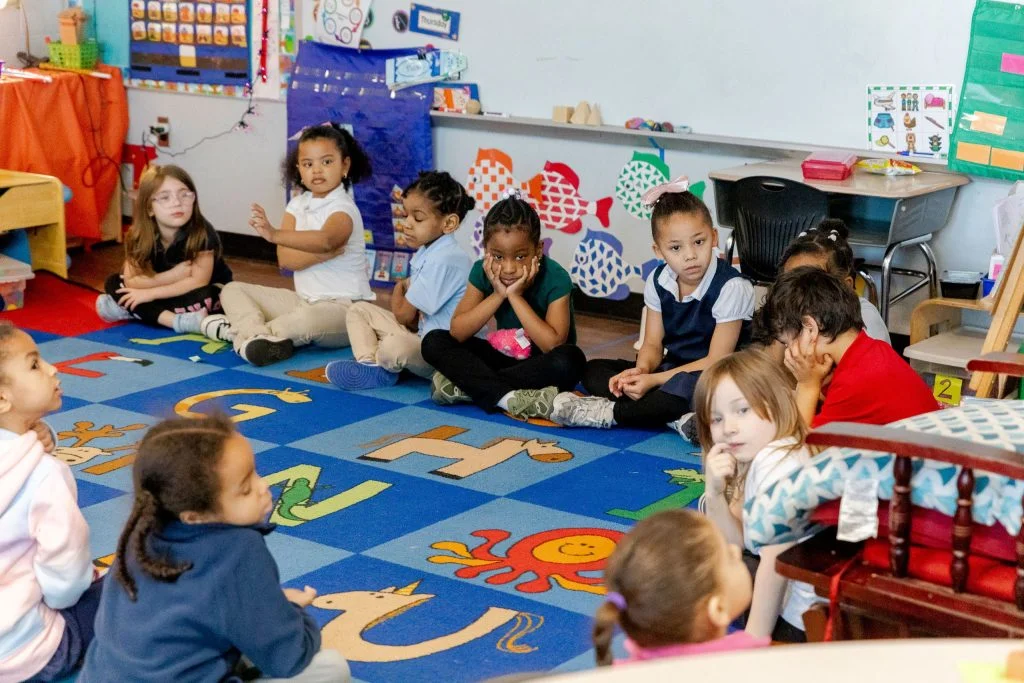
The introduction of brain breaks into educational settings has sparked an ongoing debate about their effectiveness. The recent announcement that the Philadelphia School District will implement the Rallee app for these purpose-driven pauses raises pressing questions about the real value of digital brain breaks. As educators grapple with the challenge of enhancing learning while addressing the cognitive needs of their students, this initiative could either become a model for future programs or serve as a cautionary tale about the pitfalls of using technology in classrooms.
Rallee: A New Take on Brain Breaks
Rallee promotes itself as a movement-based digital tool designed to turn brief mental recesses into engaging physical activities. Users interact with an avatar representing their movements, navigating obstacle courses that require jumping, stretching, and deep breathing. This approach aligns with the concept of incorporating physical activity into academic environments, aiming to enhance student engagement, comprehension, and emotional balance.
The Science Behind Brain Breaks
Brain breaks are not just a passing trend; they are grounded in principles of cognitive science and physiology. Research reveals that learning necessitates a connection between new information and pre-existing knowledge. This is why periodic breaks—especially those involving physical activity—can be beneficial. By temporarily disengaging from academic tasks, students give their brains the opportunity to solidify neural connections through a process known as consolidation, ultimately improving long-term retention of information.
Moreover, physical activity induces heightened blood flow to the brain, boosting executive function capabilities, which include attention management and cognitive flexibility. However, the benefits of these breaks can be diluted by the very medium they use—digital screens.
The Mixed Evidence of Effectiveness
While numerous studies illuminate the potential benefits of brain breaks, particularly for specific demographics, a broader statistical analysis often yields a less favorable picture. Small-scale studies have shown improvements across various metrics—from increased engagement in early-grade students to enhanced reading fluency in second and third graders using platforms like GoNoodle. Yet, when aggregating results, larger studies indicate that the effectiveness of brain breaks may not be as robust as initially thought. The consensus is that these breaks do not lead to harmful outcomes, but they lack strong evidence to support consistent, significant improvements in learning outcomes.
Kicking Off Rallee in Classrooms
One significant consideration in implementing Rallee is the time it will essentially consume in the classroom. While the app claims that its activities last only 1 to 5 minutes, the logistics of accessing the app could double that time, especially among younger students who might need assistance. Additionally, as students engage with screens, they may unintentionally exacerbate issues with focus and learning pace, counteracting the app's intended benefits.
Rallee has not published relevant research demonstrating the efficacy of its approach, leaving educators and parents questioning the substance behind the app's promises. In an era where digital overexposure is a growing concern, it's vital to scrutinize whether screen-based breaks serve to facilitate learning or detract from it.
The Financial Backing: A Double-Edged Sword
The financial landscape behind Rallee's rollout is as compelling as the product itself. Funded by the Philadelphia Flyers for one year, this collaboration intertwines sports promotion with educational tools, potentially benefiting both the hockey franchise and local schools. While parents might view this partnership as a unique opportunity for their children to engage physically while aligning with a local sports team, others might express skepticism about the appropriateness of sports franchises driving educational initiatives.
The critical question remains whether educational institutions should rely on such partnerships, especially when the effectiveness of the tool in enhancing learning is still under evaluation. The Philadelphia School District's decision—and the wider implications of commercial partnerships in education—demands a nuanced discussion about priorities in student wellness and academic outcomes.
Looking Ahead: The Future of Learning Tools
If you’re working in educational technology or school administration, the Rallee initiative serves as a flashpoint for addressing how digital solutions fit within instructional time. Educators need to consider how practical these solutions can be when integrated into already packed curricula. The instinct might be to embrace this technology as a necessary evolution, but the true measure of success will rest in transparent efficacy and its actual impact on student learning outcomes.
This situation invites further exploration into hybrid solutions that integrate physical activity without leaning heavily on screens. As the discourse continues, stakeholders must weigh not just the appeal of new tools but also the substantive benefits they can impart to learners. The path forward entails a careful balance between fostering engagement and ensuring that technology serves as a tool for genuine learning enhancement, rather than a distraction.