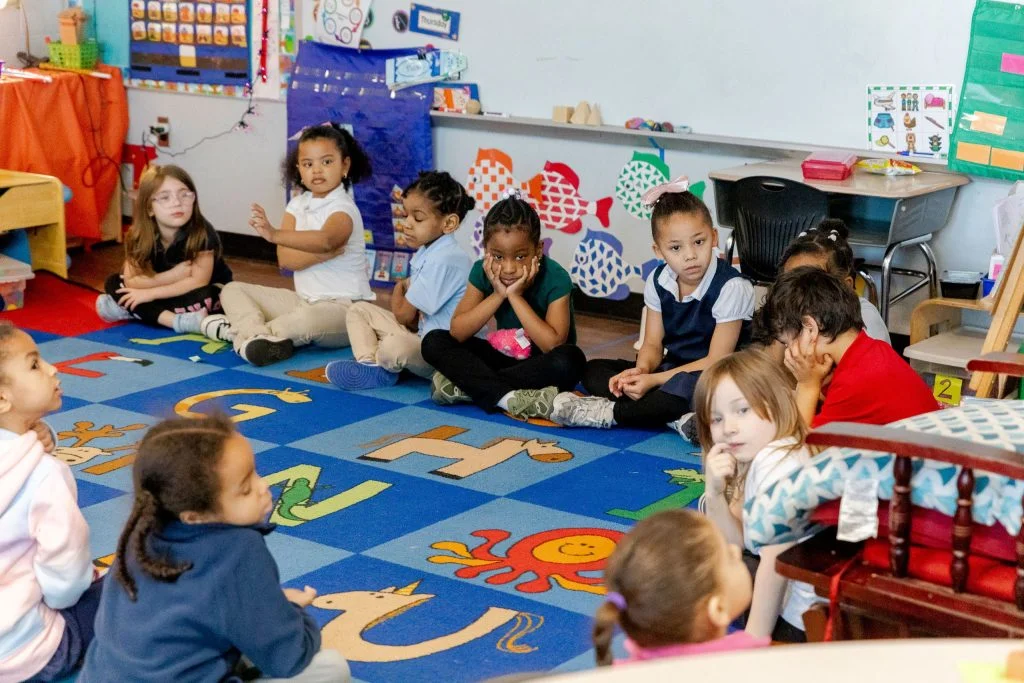
Recent educational assessments paint a concerning picture of literacy among elementary students in the United States, highlighting not only the challenges faced by all learners but particularly those with disabilities. The 2024 National Assessment of Educational Progress (NAEP) revealed that a staggering 34% of fourth graders without disabilities and a distressing 72% of those with disabilities scored below basic levels in reading. This indicates not just a systemic issue but an urgent need for reevaluation in the approach to teaching reading across the country.
Decades of Stagnation in Literacy Rates
The persistent struggle for elementary students to attain basic reading proficiency isn't new; it has been a long-standing issue over the past three decades. The NAEP scores have fluctuated minimally and have notably declined following disruptions from the COVID-19 pandemic. Since 1992, the average reading score for fourth graders has barely shifted, a fact that raises alarm among educators and policymakers alike. In light of the scale of these challenges, recent legislative changes intended to enhance literacy instruction—including in states like California and Tennessee—illustrate a critical recognition of the problem. However, change is slow, and significant numbers of students continue to lag behind their peers.
Despite these legislative efforts and the introduction of new educational approaches, improvements have been spotty. For instance, Louisiana's recent gains in reading scores—a rise from 55% to 60% of fourth graders scoring at or above basic levels—demonstrate potential progress against a backdrop of disappointing numbers. However, 40% of students still read below basic proficiency, underscoring that legislative efforts alone do not translate to immediate classroom success.
Textbook Quality: A Central Concern
With the educational landscape flooded with textbooks and digital resources, the question remains: do schools possess the tools necessary for effectively teaching reading? As they sift through state-approved materials, educators express legitimate concerns about the efficacy of these resources. A professor of special education, a key player in the analysis of literacy outcomes, has noted that despite a market thriving with options, there’s a lack of evidence to substantiate claims about the effectiveness of these materials.
Reading textbooks, which include lessons on everything from phonics to comprehension strategies, vary significantly in design and focus. A recent study highlighted that the duration allocated to teaching specific phonetic sounds could directly impact student performance, suggesting that not all instructional materials are created equal. Moreover, the determination of “high-quality” textbooks often relies on subjective expert opinions, which may not always align with classroom realities.
The Research Gap: An Urgent Need for Evaluation
Despite thorough, expert-driven evaluation processes, ineffective materials can still find their way onto state-approved lists. A 2025 study from the Tennessee Reading Research Center observed mixed results among students using state-approved textbooks. While some progress was noticeable in students with dyslexia, many still fell short compared to their peers. This raises the crucial point that just because a textbook is labeled as "high-quality" does not guarantee that it will function effectively in the classroom. Once adopted, textbooks often remain entrenched in curricula for years, hindering continual improvement and adaptation based on student needs.
The reality is that, once schools commit to a textbook, it becomes a substantial investment. The lengthy adoption process, alongside the financial burden of training educators and procuring materials, means that schools may be left with ineffective tools for years. The absence of robust monitoring systems further complicates matters, as many states lack the frameworks needed to assess the impact of these textbooks on student outcomes.
Collaboration between Research and Practice
If there's one takeaway from the current reading crisis, it's the pressing need for ongoing research that connects the dots between educational materials and student outcomes. Educators, researchers, and curriculum developers must work together to analyze how reading instruction correlates with literacy performance, focusing specifically on the diverse needs of all students, particularly those with learning disabilities. Such collaboration could yield valuable insights that empower schools to make informed choices about which materials to implement.
The division between theory and practice in reading education must close. Current research efforts need to prioritize teacher feedback and real classroom performance metrics to evolve our understanding of literacy instruction continuously. States must also establish accountability mechanisms to ensure that the curriculum materials selected are effective. This multifaceted approach could help propel reading scores upward, ensuring that all students, regardless of their background or challenges, have access to effective reading instruction.
Ultimately, while the introduction of new textbooks and educational mandates signals a step towards improvement, they alone won’t solve the literacy crisis faced by so many students today. Without rigorous tracking of instructional quality and student outcomes, schools risk continuing down a path of stagnation—one that has already persisted for far too long.