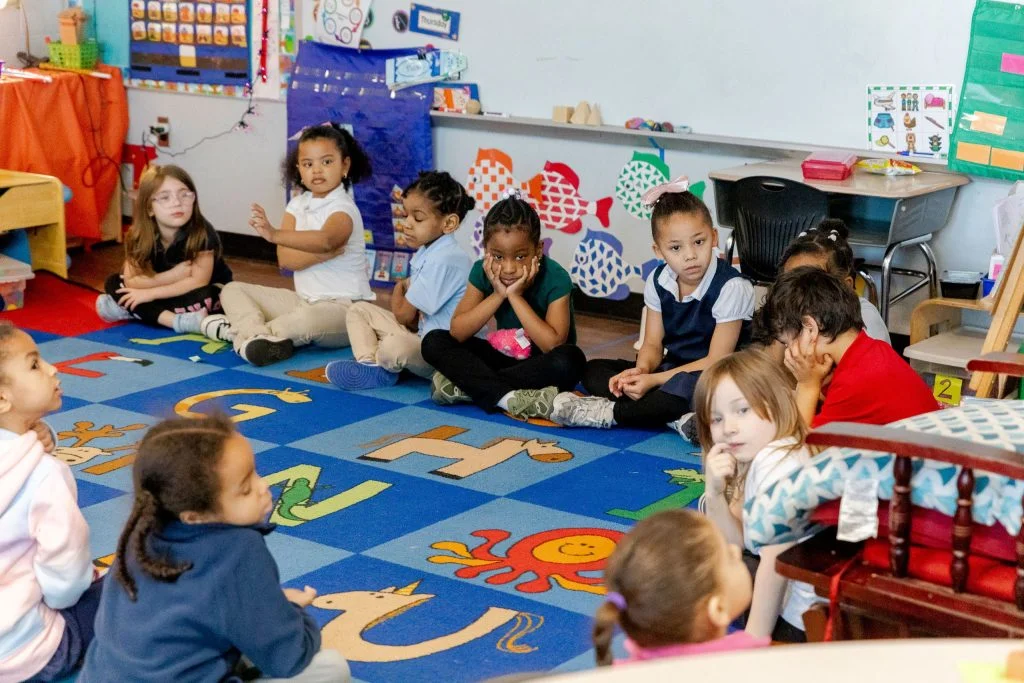
The narrative surrounding artificial intelligence in education is facing a notable shift. While the past few years have been filled with optimism about AI transforming the classroom, current conversations signal a reckoning with the technology’s limitations and practical applications. Recent findings at several education conferences in California, including the American Educational Research Association and ASU+GSV summit, reveal an increasingly cautious approach towards implementing AI solutions in educational settings.
AI in the Classroom: A Double-Edged Sword
At the forefront of discussions about AI in classrooms is the dual role of enthusiasm and skepticism among educators. Victoria Yaneva, director of data science and AI at the National Board of Medical Examiners, pointed out a compelling contradiction: those most eager to adopt AI tools often overlook significant errors in AI outputs. In contrast, AI skeptics tend to be more critical and adept at identifying inaccuracies. This raises an important question: Are we adequately involving the critical voices necessary to balance AI in education?
This situation reflects a broader dilemma within the education technology sector. A review of around 250 studies on AI-generated assessments revealed a glaring oversight—only one focused on bias in AI grading systems against specific demographics of students. This lack of scrutiny from researchers is described by John Whitmer of Learning Data Insights as a “big miss,” highlighting a troubling gap in our understanding of how AI impacts diverse student populations.
Market Reality Sets In
The excitement of AI integration in education is visibly waning at major gatherings like the ASU+GSV Summit, historically a hotspot for groundbreaking educational technologies. This year, the tone shifted dramatically, with educators voicing increased skepticism about AI’s role. The prevailing sentiment among superintendents was stark: with budgeting constraints and mixed outcomes, the era of unchecked "buy and try" is drawing to a close. Erin Mote, CEO of InnovateEDU, articulated, “We’re at a tipping point,” reflecting the anxieties prevalent across educational institutions.
Perhaps the most telling development came when Dan Meyer of Amplify pronounced the potential end of certain AI educational products with his provocative newsletter: “RIP Khanmigo & Edtech Industry Dreams of AI Tutors.” This commentary underscored the dissonance between market expectations and actual usage within student populations. The current reality suggests students are not engaging with AI tutors in beneficial ways, raising concerns about the educational efficacy of such tools.
Reorienting Toward Teacher Stability
With uncertainty surrounding AI tutoring effectiveness, many ed tech companies are recalibrating their strategies, shifting focus onto teacher training as the linchpin for meaningful technology integration in the classroom. Companies like Google and Apple are exploring ways to coach teachers on utilizing AI elements in manageable, bite-sized formats. This approach aims to create a smoother onboarding experience rather than requiring exhaustive overhauls in teaching methodologies.
Emerging studies do suggest AI can offer valuable support. For example, last year’s exploratory research indicated that AI-driven math tutors providing immediate feedback on exercises can enhance learning. However, a larger ongoing study involving 1,600 students aims to validate these findings with broader data, which could provide critical insights into AI's role in education. Yet a looming question remains: will students engage with AI tools meaningfully enough to realize their potential benefits?
What’s Next for AI in Education?
The crossroads at which we find ourselves calls for heightened vigilance and thoughtful discourse. The prevailing instinct is to view the current AI integration challenges merely as bumps in the road, but that misses the nuance of shifting classroom dynamics and the critical need for comprehensive frameworks addressing both student and teacher interactions with AI. There's a heightened urgency to ensure that AI does not exacerbate existing educational disparities but instead serves as a bridge for equity and access.
The challenges of harnessing AI’s capabilities in education couldn’t be clearer. The early-stage optimism, marked by a simplistic belief in technology’s transformative power, must yield to a nuanced understanding of pedagogy, equity, and student engagement. As stakeholders across education grapple with these tensions, the future of AI in classrooms will likely require creativity, strategy, and, above all, collaboration among educators, tech developers, and researchers to genuinely make an impact.