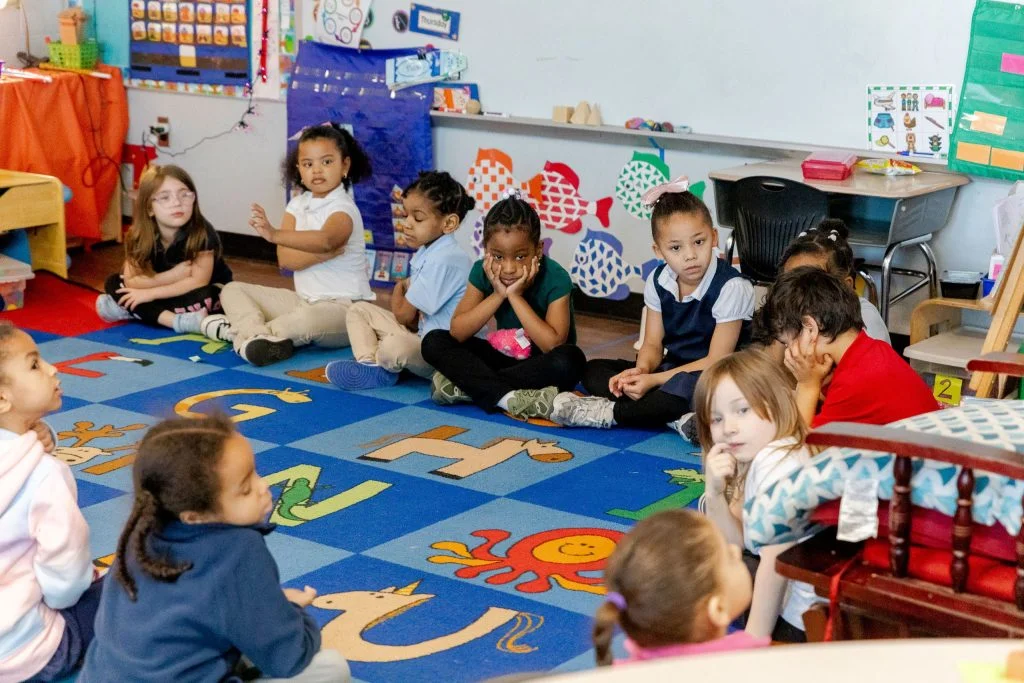
In an era increasingly characterized by polarization, educational institutions find themselves at a crossroads. The divisions that plague national politics are seeping into communities, often leaving students in environments steeped in misunderstanding and isolation. While the magnitude of these issues can feel daunting, there are tangible avenues for change. One innovative approach is establishing cross-community school partnerships that directly confront and address the social and economic divides affecting today's youth.
Why Local Partnerships Matter
The significance of cross-community school partnerships cannot be understated; they offer a vector of hope and agency in an otherwise bleak educational landscape. As education professionals, the inclination is often to feel helpless in the face of systemic inequalities that seem too large to dismantle. But the model of neighborly collaboration provides a practical alternative where the barriers between diverse school districts can be bridged.
Schools situated mere miles apart often exist in completely different ecosystems: a lower-income urban high school might be right next to an affluent suburban institution, creating a potent juxtaposition of resources, opportunities, and experiences. By bringing students from these contrasting environments together, these partnerships can foster understanding and empathy, leading to collective advocacy for systemic change.
Building the Framework for Change
The inception of programs like The Metropolitan Community Project in Chicago illustrates how localized efforts can catalyze broader social understanding. Established by educators and community activists, the initiative intentionally connects students from disparate backgrounds to explore their differences and shared challenges. The project comprises about thirty participants from both the Taylor public high school—an under-resourced institution—and the more affluent Wyndham high school, who engage in joint activities throughout the academic year.
These partnerships emphasize shared experiences: students embark on scavenger hunts to get to know one another, share insights into their respective educational environments, and ultimately, brainstorm collective actions. The experiences are structured to ensure that each student benefits from increasing their awareness of educational inequity and the barriers that exist within their communities.
The Call to Action
What makes this approach impactful is the emphasis on co-creating solutions. The students don’t just observe disparities—they actively engage with them. By interacting closely, they motivate one another to advocate for change, learning to harness their collective power. In this ongoing seasonal pact, they learn advocacy skills, including public engagement techniques and the art of persuasion. Through campaigns like community door-to-doors and meetings with legislators, they gain practical experience in civic engagement, which is crucial for fostering future leaders who are informed and empowered to challenge the status quo.
Empathy in Education
The transformative potential of these partnerships goes beyond mere awareness; they engender a culture of empathy and solidarity among students who may have previously lived in silos. By participating in such programs, these young individuals encounter narratives quite different from their own, which enhances their ability to appreciate diverse perspectives. However, it's essential to understand that such emotional intelligence doesn't develop overnight—it takes sustained interaction and trust-building across multiple touchpoints throughout the school year.
Energy and enthusiasm characterize the students involved; they exude determination to see their efforts yield tangible results. Unlike traditional educational approaches that may leave students feeling powerless, this model positions them as active agents in their educational journey. The relationships built through these partnerships often extend beyond the classroom and into the fabric of the communities involved, reflective of the interconnectivity that ties society together.
Challenges and Considerations
While the model of cross-community partnerships holds significant promise, several challenges remain. Educators must navigate logistical hurdles—such as aligning curricula, scheduling, and ensuring consistent participation from students and faculty on both sides. Moreover, institutions must remain sensitive to the varied needs and unwritten expectations of participants to ensure all voices and experiences are honored in the dialogue.
The impulse might be to view these collaborative efforts as merely philanthropic gestures. But that misses a critical point: these initiatives also serve as laboratories for pedagogical innovation, understanding how empathy practices can be integrated into educational systems. As educational leaders, it’s important to cultivate these connections not just in response to crises but as a fundamental strategy for leveling the playing field in education.
A Collective Vision for the Future
Ultimately, nurturing the essential human connections that build understanding among students is crucial for a more equitable educational future. As professors, administrators, and educators, our role extends beyond teaching curriculum; we are also responsible for educating citizens who will inhabit a diverse society and navigate its complexities. The lessons gleaned from cross-community partnerships illuminate pathways to understanding, pressing social issues need not be insurmountable, nor should they stifle the potential of the next generation.
This is not merely an academic exercise; it's an urgent reminder of the capabilities schools have to serve as beacons of hope, where understanding and compassion can thrive. If educators cultivate environments of collaboration that transcend socioeconomic boundaries, they can inspire and effectively challenge the prevailing narratives of division. The future belongs to those willing to engage with one another, not in spite of their differences but because of them.
Cynthia Taines, a professor of education in Chicago and co-founder of The Metropolitan Community Project, encapsulates this philosophy through her work in educational policy and community engagement, reminding us that genuine willingness for change starts in classrooms.